
For non-citizens, international travelers, and backpackers journeying through West Africa, Paga is viewed as a fascinating frontier town that offers a stark, rewarding contrast to the bustling coastal hubs of southern Ghana. Rather than a place for urban nightlife or modern luxury, foreign visitors typically experience Paga through the lens of raw history, surreal wildlife encounters, and unhurried savanna charm.
-
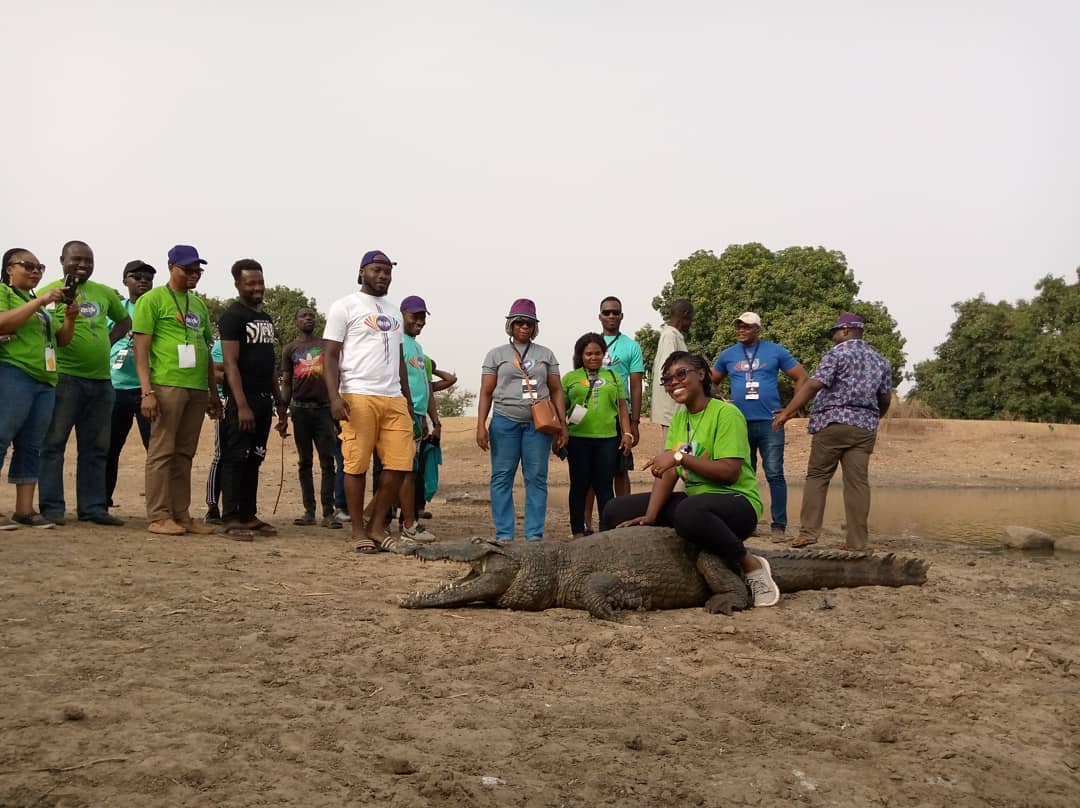
The Ultimate Wildlife Paradox: For international tourists, the sacred crocodile ponds present an almost unbelievable spectacle. The idea that wild, large reptiles can coexist so peacefully with local children and visitors—allowing people to stand close or even touch their tails—baffles and captivates foreign minds.
-
A Solemn Historical Anchor: For history buffs and diaspora travelers exploring West Africa’s heritage roots, the Pikworo Slave Camp is viewed as an essential, deeply moving pilgrimage site. Foreign visitors frequently remark on the heavy, reflective atmosphere of walking through the rock-cut eating bowls and ancient punishment grounds, appreciating how local guides preserve the gravity of the trans-Saharan trade history.
-
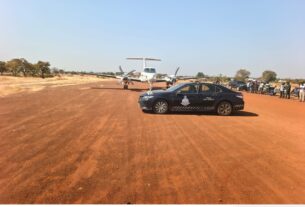
The Slow-Paced Border Crossroads: Travel writers and backpackers often describe Paga as a welcoming, laid-back transit stop rather than a commercial tourist resort. Its identity as a vibrant gateway sitting right on the border with Burkina Faso gives it a unique cross-border trade energy, characterized by dusty roads, friendly locals, traditional mud-brick architecture, and slow evenings sharing stories over local drinks.
To outside visitors, Paga represents a rare window into authentic rural northern life—blending ancient traditional beliefs, poignant historical reflection, and deep community warmth into an unforgettable stopover.
What do you feel about this post?

Like

Love

Happy

Haha

Sad